

Room Acoustics
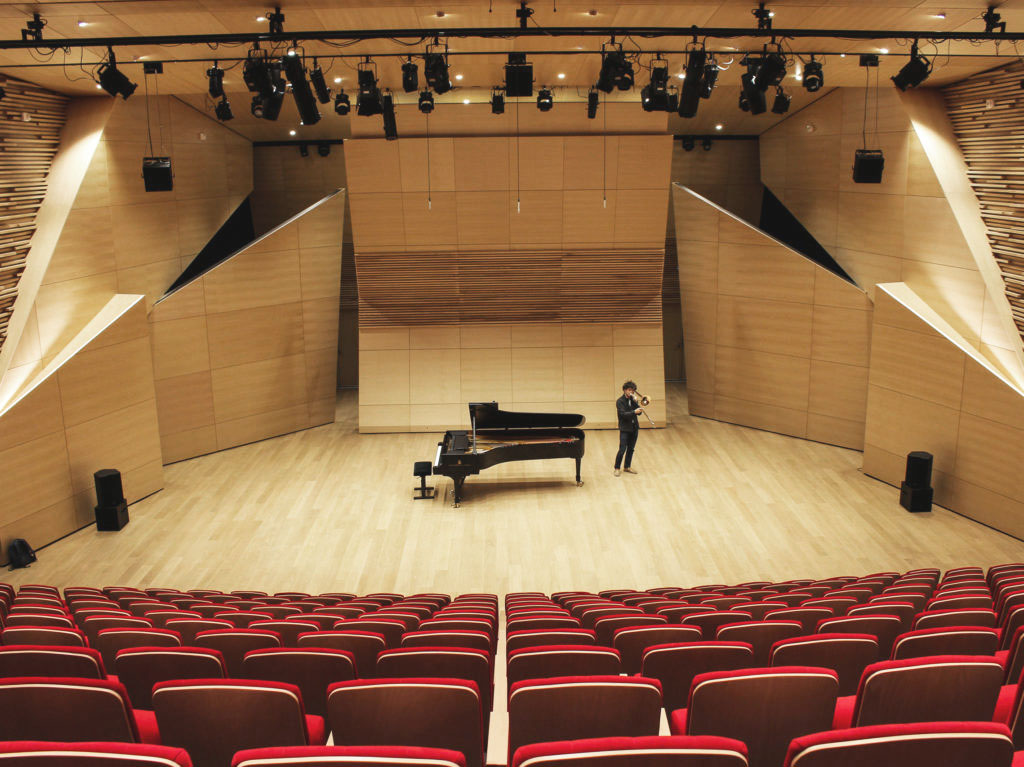
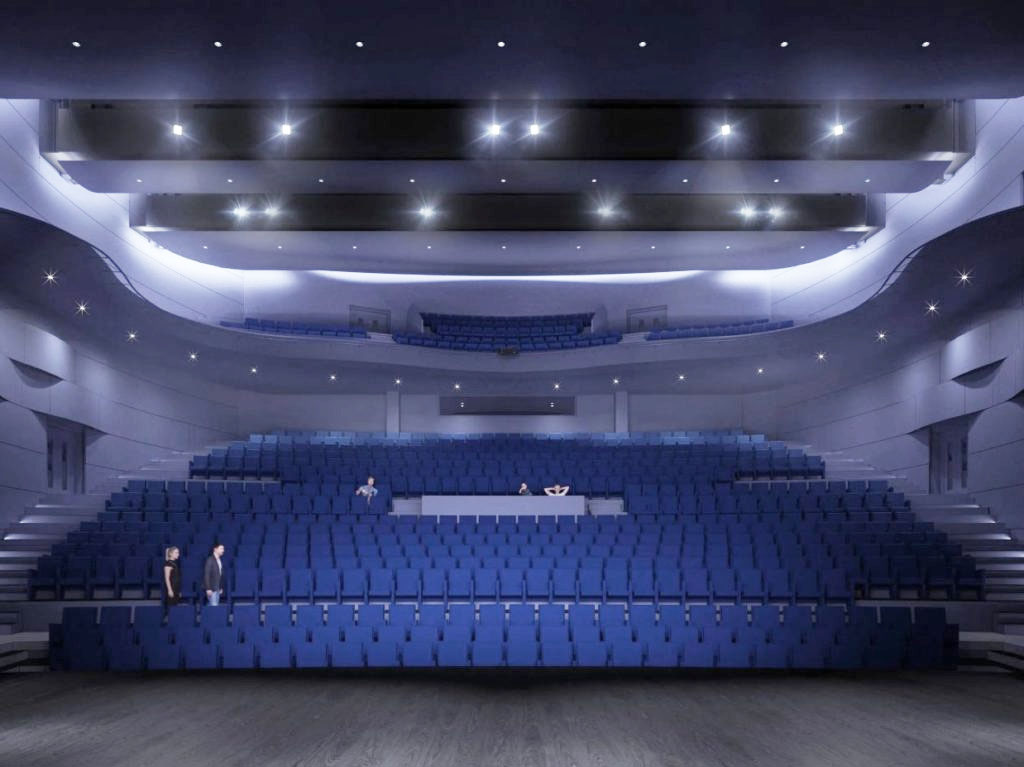
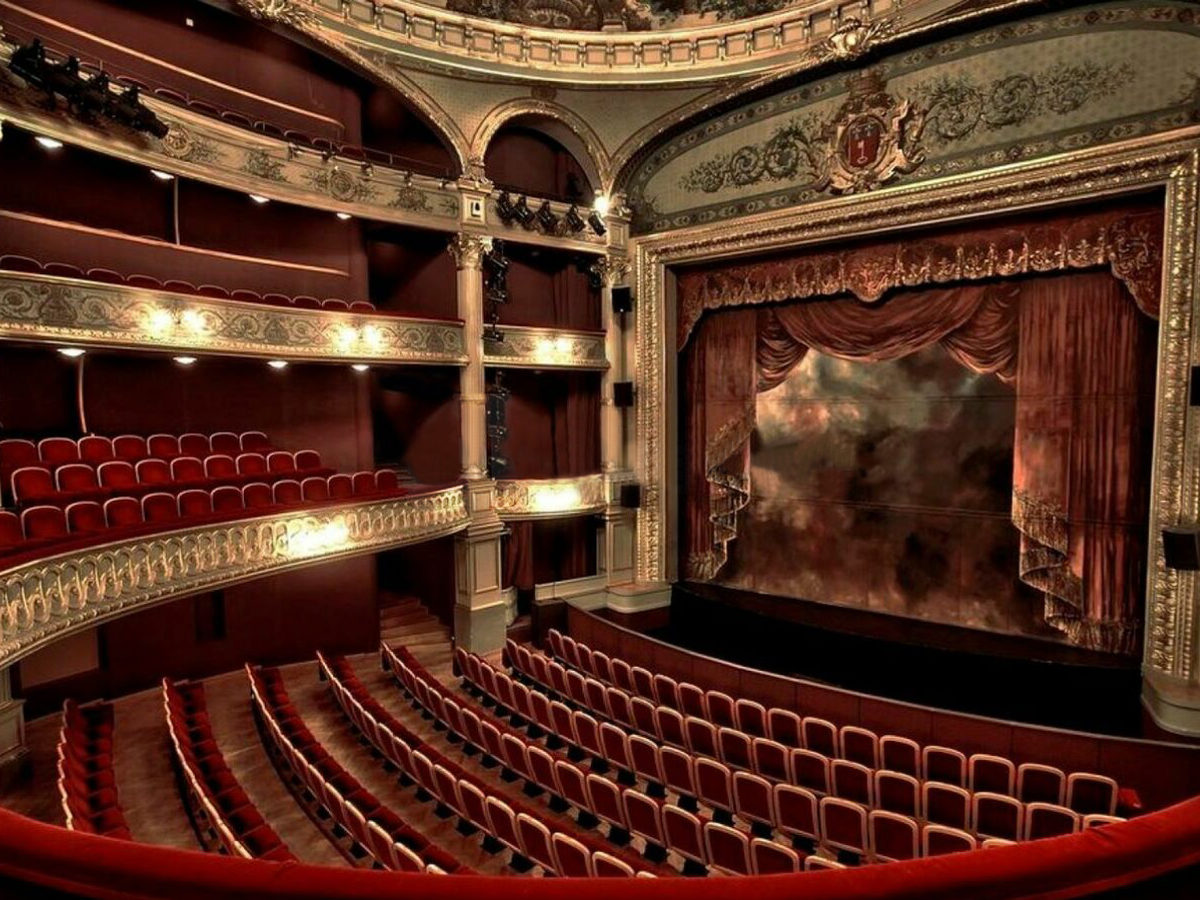
With nearly 50 years of experience in room acoustics, LASA is a longstanding and well-established player in the field. The company continues to carry out Research & Development programmes focused on innovative parametric design and measurement techniques aimed at improving the acoustic quality of performance spaces.
Acoustic studies must begin at the earliest design stages and be carried out through close collaboration between the architect, the stage designer, and the acoustician, as the initial decisions regarding shape and volume are crucial to achieving the desired acoustic performance of the venue. Material selection, material placement, and geometric detailing are also key parameters that significantly influence sound quality.
To optimize all of these aspects, LASA has developed and continuously refined dedicated design tools and methodologies over the years, including:
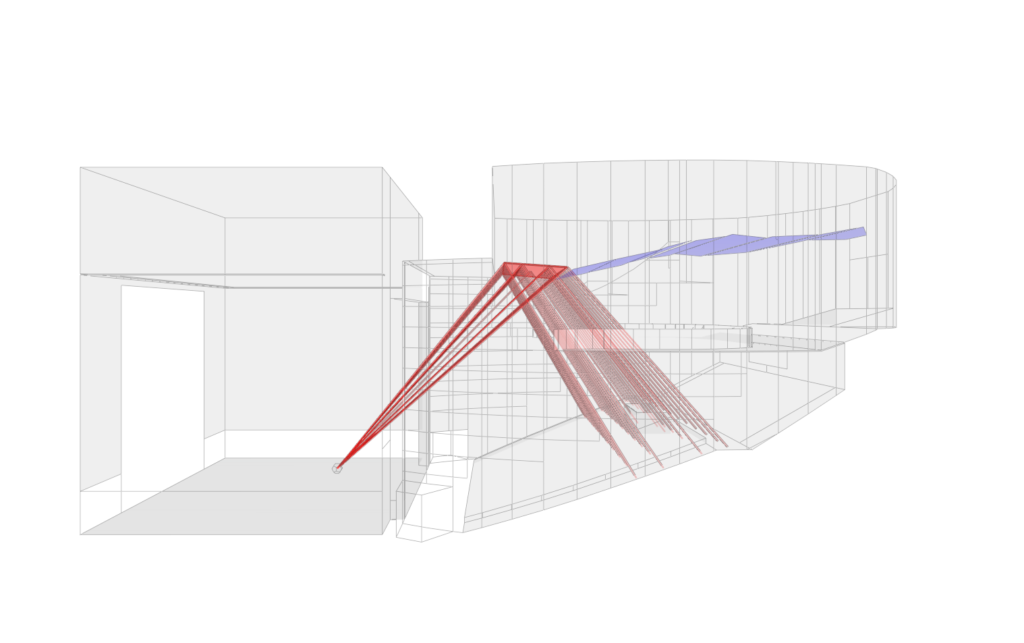
- GEOM software for rapid, parametric geometric acoustic design of room shapes (ceilings, side walls, reflectors, balconies, etc.), developed in collaboration with architects and stage designers.
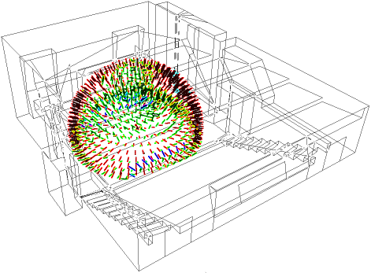
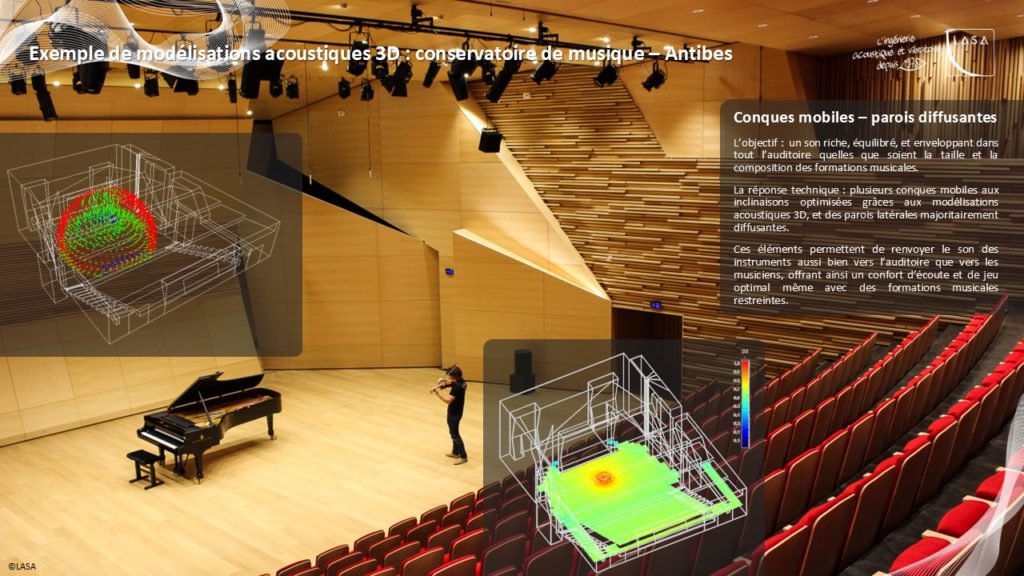
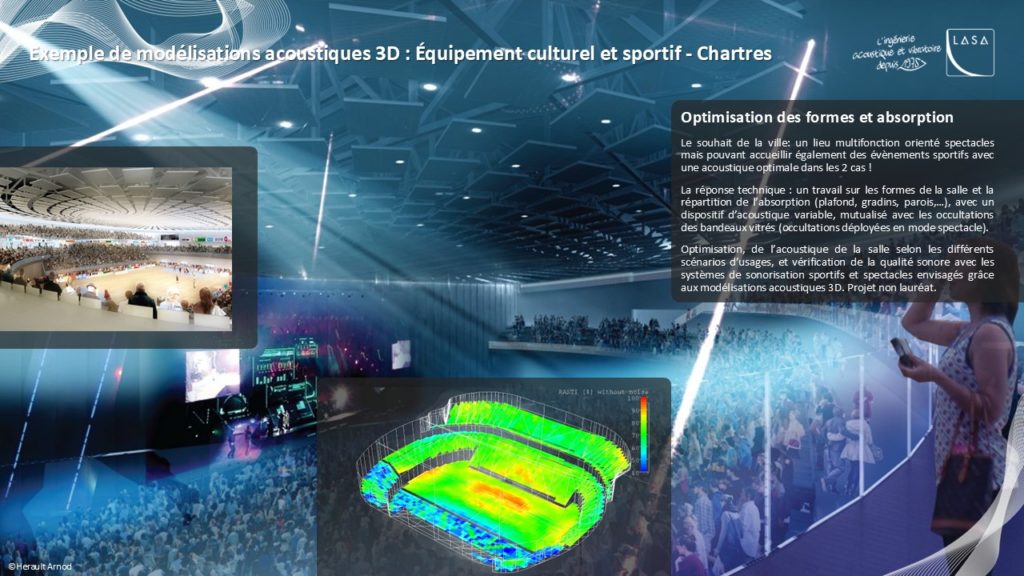
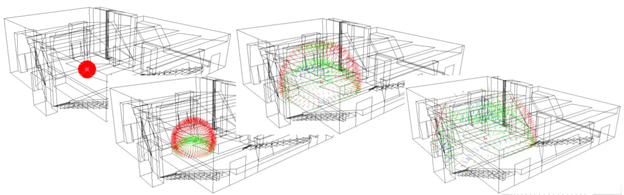
- Preliminary optimization of early sound reflections, listener envelopment (lateral reflections), and audience coverage. The software accommodates flat and curved surfaces, suspended elements, and other configurations, with dynamic ray tracing and coverage mapping capabilities.
- Pre-design studies prior to consolidation and validation using LASA’s room-acoustics simulation software based on ray-tracing techniques (CATT, etc.).

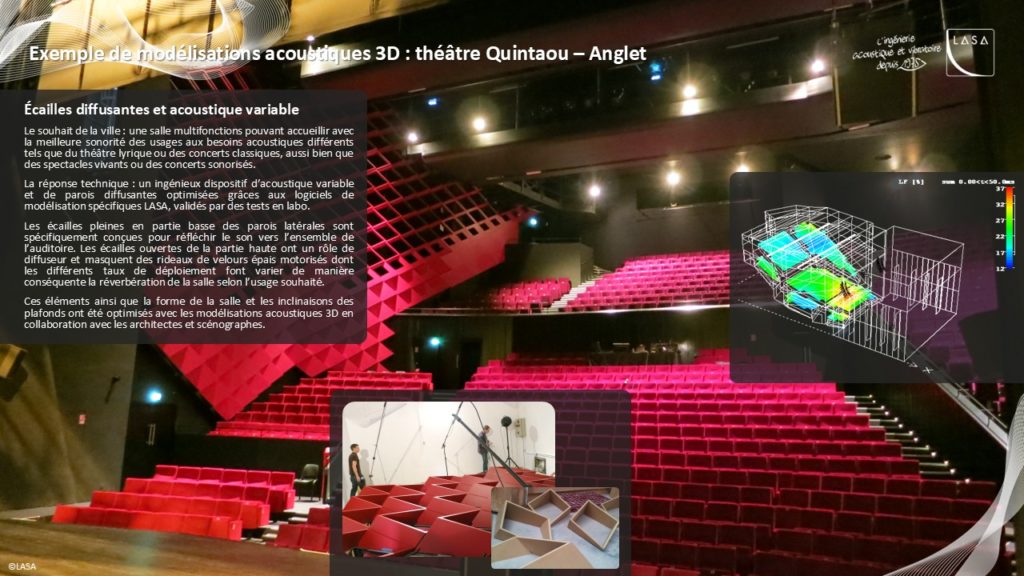
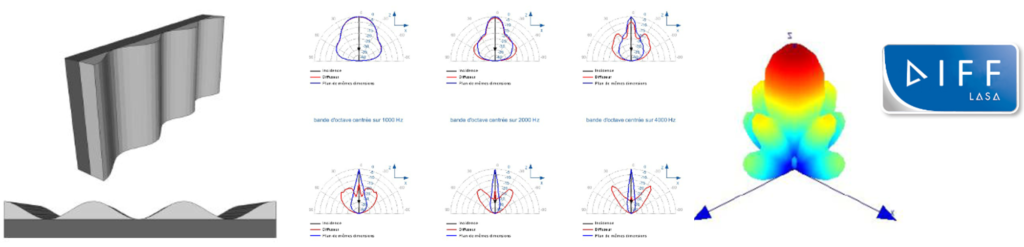
- DIFF software for the design, optimisation, and prediction of diffusion coefficients for acoustic diffusers and sound-scattering surfaces.
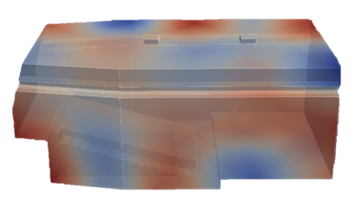
- Low-frequency modal behaviour analysis of rooms using a dedicated Finite Element Method (FEM) computational model.
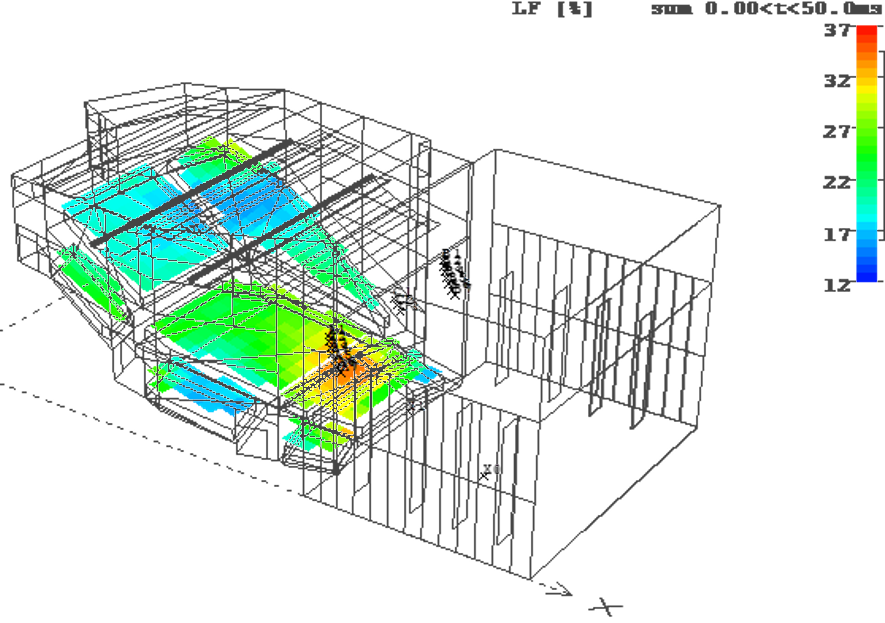
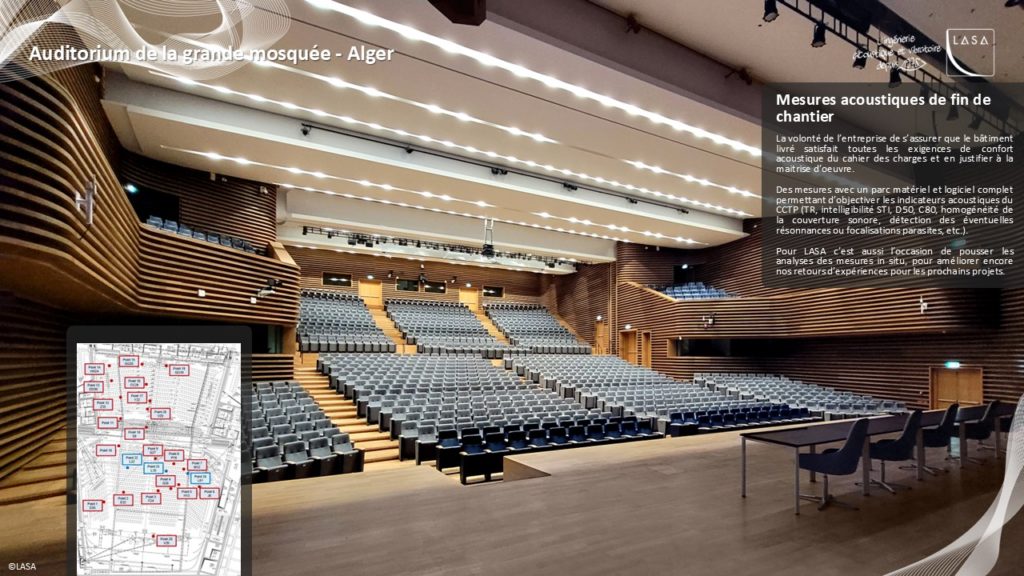
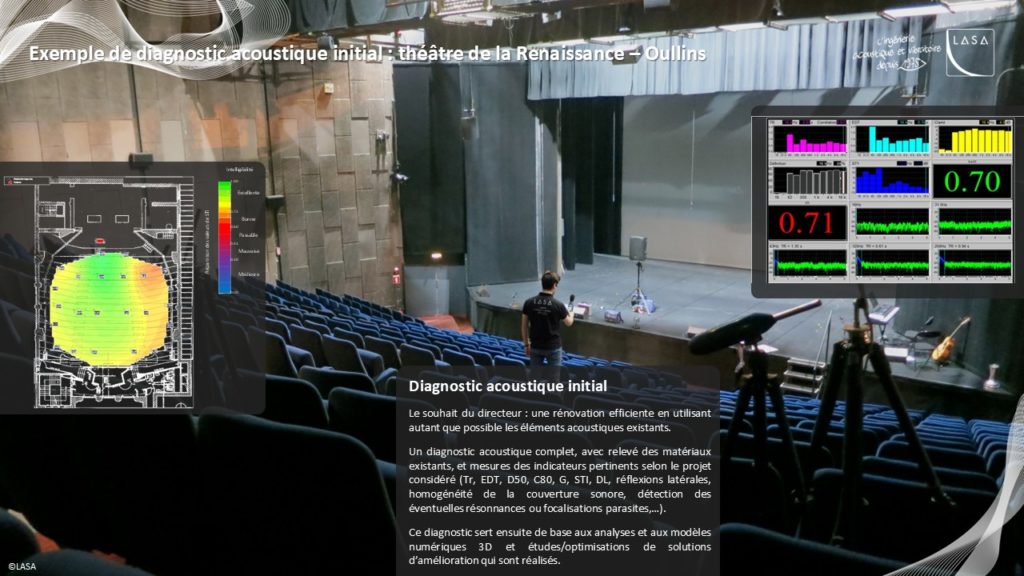
- Room-acoustics simulation software based on ray-tracing techniques (CATT-Acoustic): calculation of impulse responses and room-acoustic parameters, including echograms, Early Decay Time (EDT), reverberation time (RT), sound strength (G), lateral energy fraction (LF), speech definition (D50), clarity (C80), Speech Transmission Index (STI), spatial uniformity, and more.
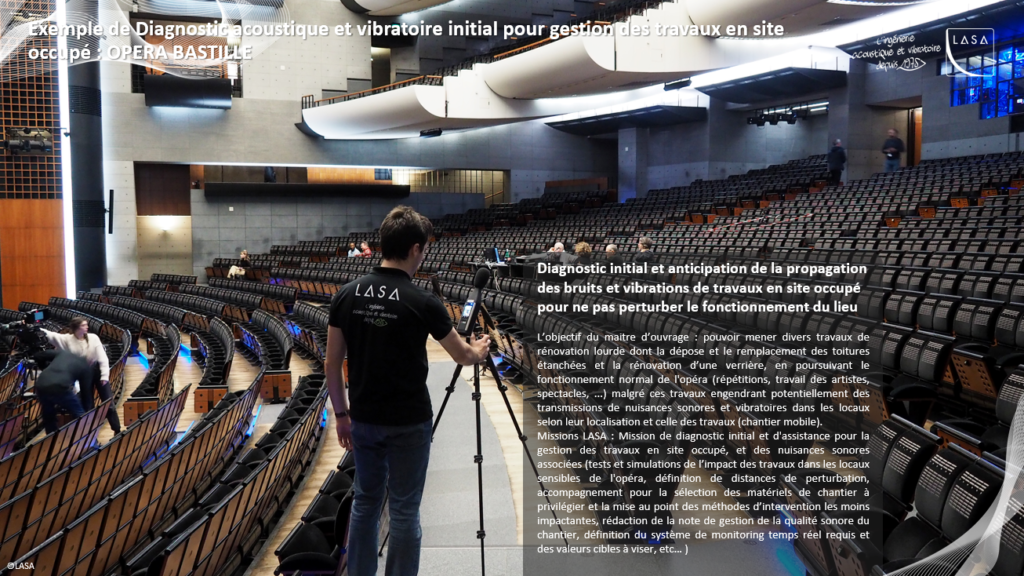
- Dedicated measurement tools and software: 01dB-ACOEM acquisition systems and analysis software, REW, BEDROCK Audio, NTI Audio, and MOTU equipment for measuring reverberation time, impulse responses, and room-acoustic parameters (EDT, RT, sound strength G, lateral energy fraction LF, D50, C80, STI, spatial uniformity, etc.).
Combined with LASA’s extensive expertise in room acoustics and informed by benchmarking studies of internationally renowned performance venues, these tools enable us to deliver a proven design methodology dedicated to achieving the highest acoustic quality in our projects, through close collaboration with architects and stage designers.
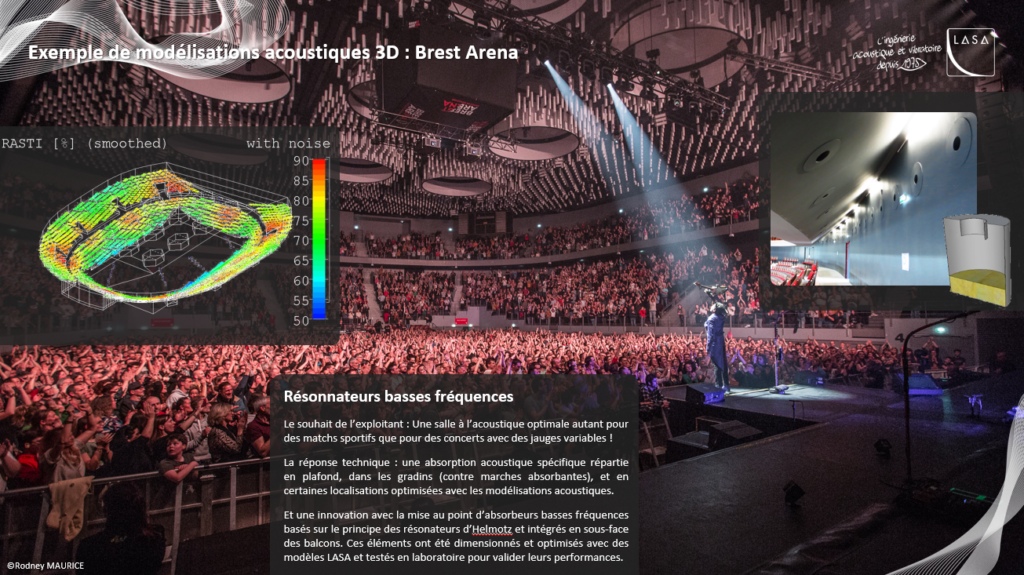
Research & development on innovative acoustic wall systems for performance venues is another area in which LASA invests significant effort in order to address the challenges posed by contemporary projects. Examples include optimised resonators designed for very-low-frequency absorption and laboratory testing of diffusive elements subsequently implemented in concert halls.
Another example illustrating LASA’s longstanding commitment to continuously improving its expertise and expanding its experience base is the “World Tour of Performance Venues” project conducted by S. Tochon-Danguy between 2004 and 2005. This initiative involved studying, visiting, analysing, and critically listening to fourteen of the world’s most prestigious performance venues, including Boston Symphony Hall, Sydney Opera House, Shanghai Grand Theatre, the Bolshoi Theatre in Moscow, Teatro Colón in Buenos Aires, and Tokyo Opera City Concert Hall.
The documented technical analyses, the cross-comparison between measured physical parameters and audience perceptions, and the insights gained through discussions with venue managers and technical directors proved instrumental in shaping LASA’s subsequent room-acoustics R&D programmes over the following decades.
This methodology of correlating subjective listening impressions with measurable and modelled acoustic parameters has since remained at the core of our approach. It continues to be applied throughout our performance venue projects, as well as during visits to leading international venues around the world. To this day, these experiences strengthen our expertise, enrich our feedback database, and inspire new avenues of research and innovative design solutions.