

Rehabilitation / Conversion / Reversibility
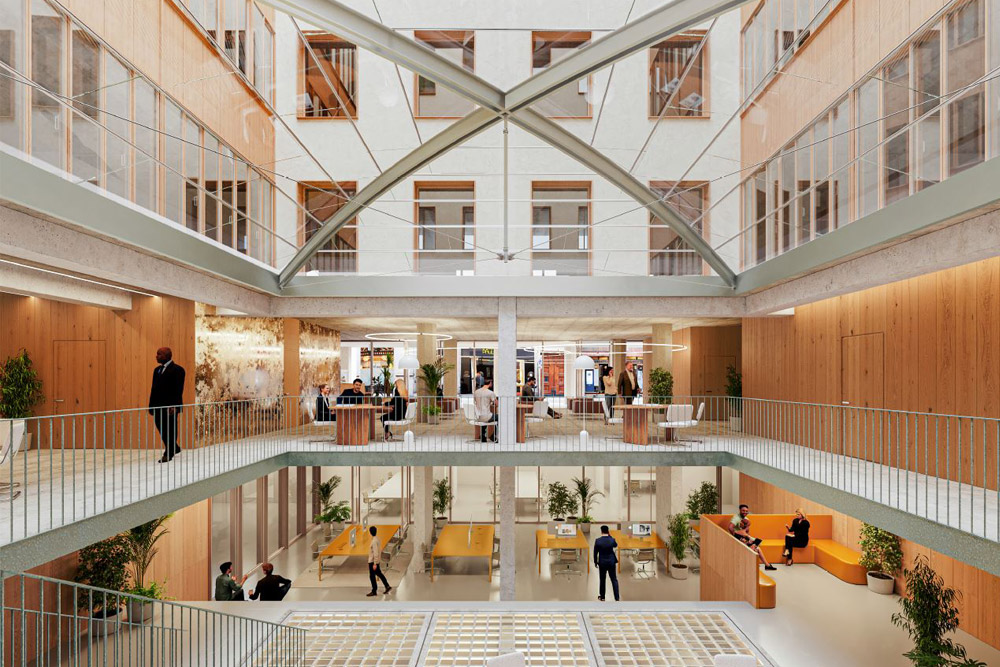
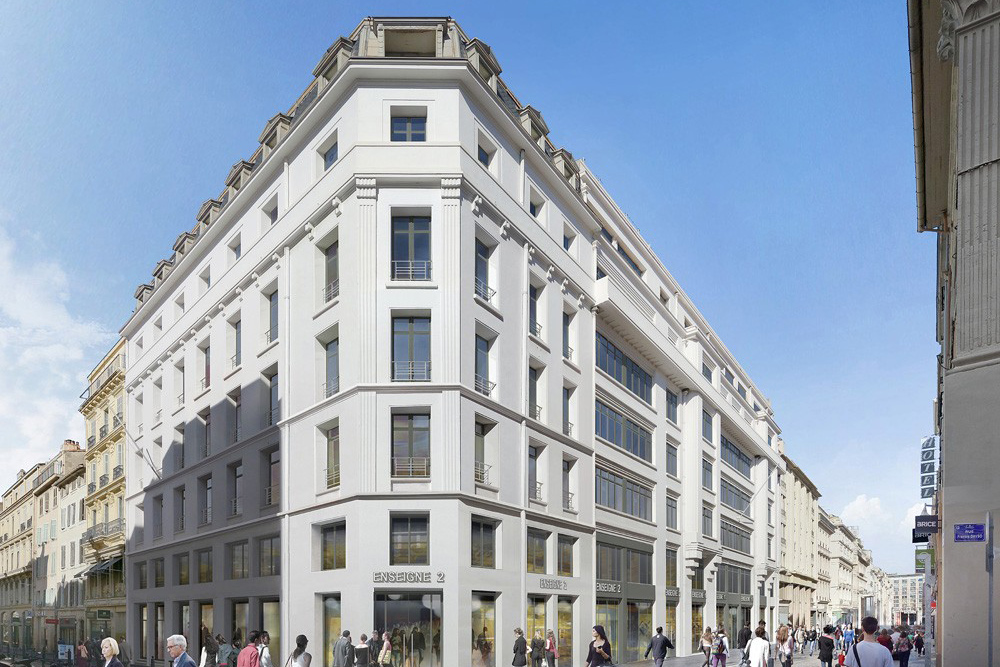
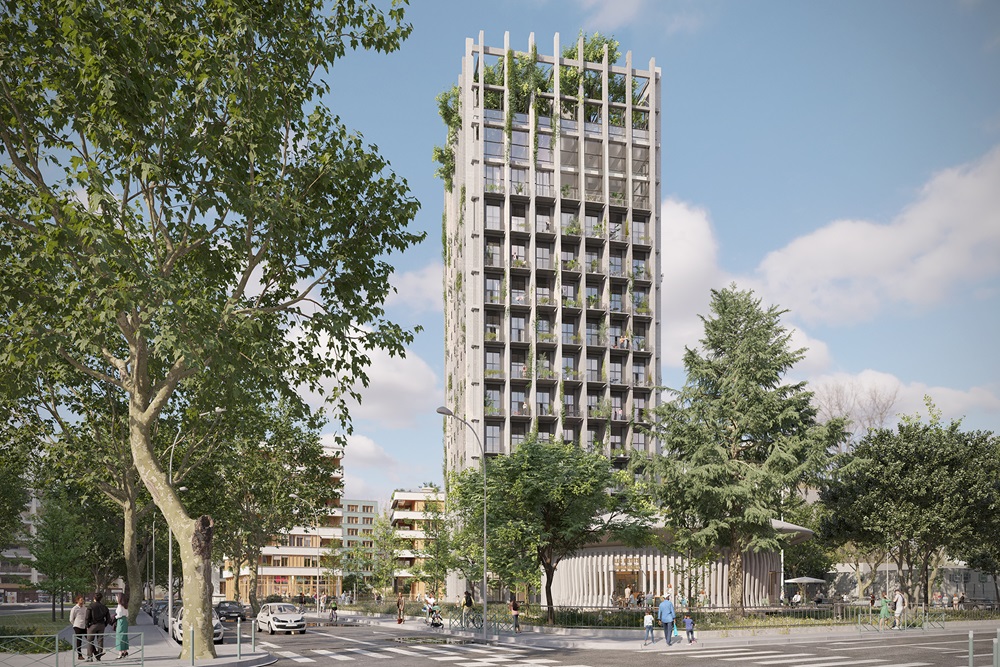
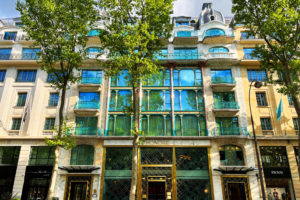
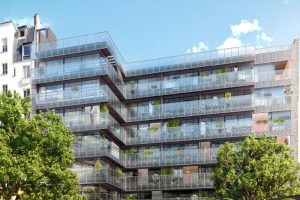
The functional transformation of an existing building, such as converting office space into residential use, represents a virtuous approach from an environmental standpoint, as it limits demolition, reduces resource consumption, and lowers the carbon footprint associated with new construction. However, for this sustainable strategy to be fully successful, the usability and quality of the future building must be ensured, and acoustics play a central role in this regard.
Tertiary buildings, designed primarily for daytime activities with specific acoustic requirements, do not necessarily meet the acoustic performance criteria associated with their new intended use (residential, hospitality, cultural, laboratory spaces, etc.), particularly in terms of external noise insulation, building services noise, and both airborne and impact sound insulation.
The composition of building elements and the associated sound transmission paths through the structure—walls, floors, façades—whether direct or flanking, are critical in determining the final acoustic performance and must under no circumstances be overlooked.
For example, certain curtain wall façades initially designed for office buildings, as well as the potential flanking sound transmission they may generate between floors or between partitioned spaces within the same level, require particular attention. The same applies to relatively thin floor slabs that are often encountered in such buildings.
LASA carries out acoustic diagnostics and studies to identify these transmission paths and to adapt construction solutions in order to achieve regulatory requirements and/or the acoustic comfort objectives of future occupants.
The modelling tools used by LASA, together with its dedicated R&D work on these topics, enable the anticipation of the behaviour of modified structures and the optimisation of solutions aimed at improving their acoustic performance.